Search This Blog
Showing posts with label sink. Show all posts
Wednesday, October 15, 2014
Wednesday, August 8, 2012
Plunger Use Hints and Tips
Using Plungers for Success
Pick up hints & tips for proper plunging technique
Forming Airtight Seals
Plungers work in both directions. They move water back and forth inside the pipes, breaking up the blocking material into smaller bits until the clog can no longer hold itself together.To do this, an airtight seal must be formed where the plunger meets the plumbing. Any leaks will mean at best an ineffective & noisy plunging and at worst a squirt of sewage back towards the user.
Maintaining this seal while the plunger is worked up and down, for as many as a dozen strokes or for as long as thirty seconds, is the most important consideration, and is why there are so many differently shaped plungers on the market. Hopefully you have the right plunger for your drain. If you don’t maybe you can still make it work.
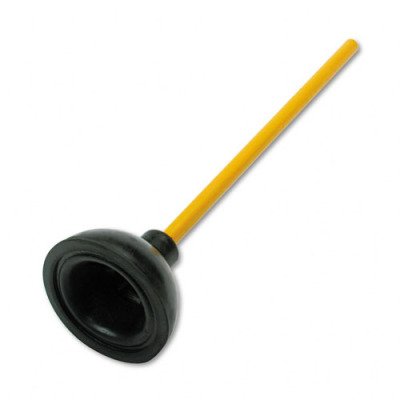
- Some bell and bellows-plungers are reversible, and suited for both sink and toilets
- Surround drains in floors and wide basins with a twisted wet towel when using a ball-plunger
- A small amount of petroleum jelly around the lip of the plunger or around the drain can help seal tiny but troublesome cracks
- Hold stiff rubber or plastic plungers under running hot water to free them up for easier plunging
Blocking Overflow Drains
Airtight seals cannot be formed if there are other outlets for air or water in the pipes surrounding the clog. Bathroom sinks and bathtubs will have one or more overflow drains, for example. These are drains, often hidden inside a lip of the sink or behind a metal plate with the stopper lever on a tub, which catch any overflow from the sink or tub. They connect directly to the same drain as the bottom of the sink or tub, so if you try to force water through the drain, it can come back up and out the overflow. The most common method for blocking these overflows so you can use a plunger is to stuff a wet rag or washcloth into them, so they are tightly blocked. Use a large enough cloth that it will not be in danger of falling or being sucked into the drain. You may find you need to hold these cloths in place, perhaps with a third hand.Tuesday, August 7, 2012
Know Your Household Drains
Home Drain Encyclopedia
Drains in the bathroom, kitchen, laundry, and garage each can get clogged in their own charming ways.
Finding the Help You Need
It does not take long for a clogged toilet to become the top priority around the house. Other drains such as those in basement floors may only be needed once in a while, but when the time comes, they had better work. Maintenance, repair, and the cleaning and clearing of drains is an uncomplicated and unglamorous topic. The well prepared homeowner will have plungers and augers for toilets and sinks in the house, and so be prepared for just about any eventuality.Sunday, July 8, 2012
Using Sink and Toilet Plungers
Learn to Successfully Use Plungers On Each Type of Household Drain
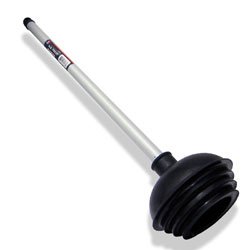
The red rubber suction cup plunger is still as popular as ever, because when used correctly, even this old design can work wonders. But for even better chances of success, match your plunger purchase to the drain it will be clearing. The old standby with its wide flat face can be difficult to work with on curved drains such as those in toilets and lavatory basins.Fortunately, the enormous variety of plunger shapes available means there is one for every type of drain in the home.
Plungers will be split into two broad categories. There are plungers designed for use with toilets, and plungers intended for use with sink and floor drains.
Toilet plungers will not have the traditional wide open-faced plungers shape, but instead are shaped to fit the tubular curving shape of a toilet drain. Toilet plungers will have a flange of extra material extending from the bellows which can be inserted snugly into toilet drains.
Plungers intended for use on floor drains and basins with flat bottoms will not have this extra flange of plastic or rubber as part of the plunger shape. These plungers will have wider, open suction cup shapes, in order to enclose the drain opening.
The second major design consideration when purchasing a plunger is the material it is made of. Rubber and softer plastic belled plungers can be easier to use, because the more pliable material will flex in both directions as required when plunging.
Other plungers are made of stiffer plastics. These plungers are frequently one-piece designs. Because they are all one piece of plastic, these designs can be easier to clean than handled plungers. The drawback to stiff plastic plungers is they are much more difficult to use, both in plunging and keeping up an airtight seal.
The final significant difference among the plungers available today is the shape of the plunger compression container. The champagne glass shaped sink plunger is the most familiar, but also very common are what are called ball-plungers. Less common, but seen in more and more of the modern plunger designs, is the spring-plunger, with a bellows shaped chamber.
Ball-plungers will have a ball or spherical shaped compression chamber. Spheres are used because they enclose the greatest volume with the least amount of material, meaning efficient transfer of the plunging action into water movement and clog busting. Ball plungers are typically easy to work, and very effective.
Bellows plungers are the more modern design. Both sink and toilet plungers are available with large bellows chambers, in an assortment of shapes. Spring plungers can be very effective, bring more pressure to bear on the drain per square inch than a standard design. The large bellows chamber can be cumbersome, however, and not always easy to effectively use.
Plungers are tools for unclogging drains blocked with soft, decomposable or degradable material. Do not attempt to plunge a solid object or dense obstruction through your plumbing-you may end up making things worse and footing an expensive repair bill.
Plungers are recommended for clogs such as those that build up over time in slower or infrequently used drains, and for clogs that are created by over-zealous, but proper use of things like the toilet or shower. Clogs from hair, grease, oil, sewage, toilet tissue, and similar stuff can be handled with a plunger.
Do not use a plunger to force things like children's toys, dentures, cosmetics containers, toiletries, and so on through the plumbing. When an object or obstruction that won't break down-for example cloth or paper towels-is the cause of the stopped drain, then other tools and procedures will be used. Consider calling a plumber or professional drain service in this situation.
With so many plungers to choose from, how can you pick just one?
You shouldn't! The fact is that most homes will benefit from owning two plungers; one for use in the toilet and one for use in sinks. Because the design and function of these drains are so different, the types of plungers required for clearing them will be different as well.
Toilet plungers will not have the traditional wide open-faced plungers shape, but instead are shaped to fit the tubular curving shape of a toilet drain. Toilet plungers will have a flange of extra material extending from the bellows which can be inserted snugly into toilet drains.
Plungers intended for use on floor drains and basins with flat bottoms will not have this extra flange of plastic or rubber as part of the plunger shape. These plungers will have wider, open suction cup shapes, in order to enclose the drain opening.
The second major design consideration when purchasing a plunger is the material it is made of. Rubber and softer plastic belled plungers can be easier to use, because the more pliable material will flex in both directions as required when plunging.
Other plungers are made of stiffer plastics. These plungers are frequently one-piece designs. Because they are all one piece of plastic, these designs can be easier to clean than handled plungers. The drawback to stiff plastic plungers is they are much more difficult to use, both in plunging and keeping up an airtight seal.
The final significant difference among the plungers available today is the shape of the plunger compression container. The champagne glass shaped sink plunger is the most familiar, but also very common are what are called ball-plungers. Less common, but seen in more and more of the modern plunger designs, is the spring-plunger, with a bellows shaped chamber.
Ball-plungers will have a ball or spherical shaped compression chamber. Spheres are used because they enclose the greatest volume with the least amount of material, meaning efficient transfer of the plunging action into water movement and clog busting. Ball plungers are typically easy to work, and very effective.
Bellows plungers are the more modern design. Both sink and toilet plungers are available with large bellows chambers, in an assortment of shapes. Spring plungers can be very effective, bring more pressure to bear on the drain per square inch than a standard design. The large bellows chamber can be cumbersome, however, and not always easy to effectively use.
Plungers are tools for unclogging drains blocked with soft, decomposable or degradable material. Do not attempt to plunge a solid object or dense obstruction through your plumbing-you may end up making things worse and footing an expensive repair bill.
Plungers are recommended for clogs such as those that build up over time in slower or infrequently used drains, and for clogs that are created by over-zealous, but proper use of things like the toilet or shower. Clogs from hair, grease, oil, sewage, toilet tissue, and similar stuff can be handled with a plunger.
Do not use a plunger to force things like children's toys, dentures, cosmetics containers, toiletries, and so on through the plumbing. When an object or obstruction that won't break down-for example cloth or paper towels-is the cause of the stopped drain, then other tools and procedures will be used. Consider calling a plumber or professional drain service in this situation.
With so many plungers to choose from, how can you pick just one?
You shouldn't! The fact is that most homes will benefit from owning two plungers; one for use in the toilet and one for use in sinks. Because the design and function of these drains are so different, the types of plungers required for clearing them will be different as well.
By Andam Persand
Andam believes high-quality information will be very valuable in the near future, and creates, edits, updates, and annotates her articles with that in mind. Andam also writes about drain services and cleaning and clearing drains for http://UncloggingDrains101.com as well as writing for her personal blog and other information sites on the internet.Tuesday, June 26, 2012
Clogged Drain Prevention
Learn How Maintain Free Flow in Household Plumbing
In the typical home you will encounter a number of different drains, each with their specific use and function. Kitchen sinks for example, will frequently have a garbage disposal attached, and can accept kinds of waste that would not be acceptable in a bathroom--or lavatory--sink. There are types of drains that will be found in every building or home. Knowing their purposes and capabilities will allow for best clog prevention practices, and the quickest clearing of any troubles that do arise.
In the home, kitchen drains are attached to sinks and dishwashers. Restaurants and related businesses will also have floor drains found in kitchens.
A common thought is that if a sink has a garbage disposal that just anything can be tossed in as long as the disposal is run. This belief has paid the college tuition for many a plumber's kid. The fact is, garbage disposals can grind certain food and waste into particles small enough to flush away, but a disposal drain is just as vulnerable as any other to the most common causes of clogging: fats, oils, greases, and grits. Fatty substances will congeal on the interiors of pipes, and will ignore garbage disposals on the way. Then grit like coffee grounds, egg shells, or disposal residue sticks to the grease, and eventually flow through the pipes is constricted.
To prevent clogs in kitchen drains always dispose of fats and grease by pouring into a can and tossing it in the trash. Pouring grease down the drain is asking for trouble, but if a blockage does develop, there are still many do-it-yourself options available for clearing the clog.
The other common drain in home kitchens carries wastewater away from the dishwashing machine. To prevent clogs in drains from older model dishwashers, scraping and pre-rinsing of dishes is advised. Newer model dishwashers will be attached to the nearby garbage disposal, and will be able to handle larger particles of waste, but plates should still be scraped before placing in the dishwasher.
Laundry drains, shop sink drains, floor drains, pool drains and the like fall in to the category of utility drains. Each of these will have particular expectations about what it can carry away.
To prevent clogs in utility drains, they should always be properly assembled. Cover all open drains with attached strainers to prevent solid objects from falling in. Floor drains should have backflow prevention devices installed in addition to protective straining plates.
Also common in the same area as laundry machines or work sinks are floor drains. These are some of the least used but most important drains in the home. Floor drains generally exist for the purpose of flood prevention--they allow water in the area to drain away. But when floor drains fall into disrepair through damage or neglected upkeep, they may not function properly. When this happens water can not only be prevented from flowing away, but in worst case scenarios can even back up from the sewer into the building, causing flooding and potentially destroying property. For this reason, floor and even patio drains should be equipped with well maintained backflow prevention valves.
No other room has more drains than the bathroom. A typical bathroom will have a lavatory basin drain, a shower or bathtub drain, and perhaps the most important drain in the house, the toilet.
Shower drains must have straining plates in place to prevent objects like bottle caps and soap shards from falling in. Longer hair can also build up and slow the drain over time. Plates will prevent this by catching much of the debris for easy removal.
Tubs and bathroom sinks will have stopper assemblies. Their design will differ, but most work by means of a linked leverage to raise and lower the stopper device. This linkage assembly will serve the purpose of a strainer, and catch quite a bit of debris which will build up over time.
Finally there is the humble workhorse of the head, the commode. Toilets are among the greatest achievements of civilization, and we each depend on their functioning properly. When a toilet fails you can feel as if a friend has let you down. But despair not, because clogged toilets are easily fixed when you own the right tools and know how to use them.
A common thought is that if a sink has a garbage disposal that just anything can be tossed in as long as the disposal is run. This belief has paid the college tuition for many a plumber's kid. The fact is, garbage disposals can grind certain food and waste into particles small enough to flush away, but a disposal drain is just as vulnerable as any other to the most common causes of clogging: fats, oils, greases, and grits. Fatty substances will congeal on the interiors of pipes, and will ignore garbage disposals on the way. Then grit like coffee grounds, egg shells, or disposal residue sticks to the grease, and eventually flow through the pipes is constricted.
To prevent clogs in kitchen drains always dispose of fats and grease by pouring into a can and tossing it in the trash. Pouring grease down the drain is asking for trouble, but if a blockage does develop, there are still many do-it-yourself options available for clearing the clog.
The other common drain in home kitchens carries wastewater away from the dishwashing machine. To prevent clogs in drains from older model dishwashers, scraping and pre-rinsing of dishes is advised. Newer model dishwashers will be attached to the nearby garbage disposal, and will be able to handle larger particles of waste, but plates should still be scraped before placing in the dishwasher.
Laundry drains, shop sink drains, floor drains, pool drains and the like fall in to the category of utility drains. Each of these will have particular expectations about what it can carry away.
To prevent clogs in utility drains, they should always be properly assembled. Cover all open drains with attached strainers to prevent solid objects from falling in. Floor drains should have backflow prevention devices installed in addition to protective straining plates.
Also common in the same area as laundry machines or work sinks are floor drains. These are some of the least used but most important drains in the home. Floor drains generally exist for the purpose of flood prevention--they allow water in the area to drain away. But when floor drains fall into disrepair through damage or neglected upkeep, they may not function properly. When this happens water can not only be prevented from flowing away, but in worst case scenarios can even back up from the sewer into the building, causing flooding and potentially destroying property. For this reason, floor and even patio drains should be equipped with well maintained backflow prevention valves.
No other room has more drains than the bathroom. A typical bathroom will have a lavatory basin drain, a shower or bathtub drain, and perhaps the most important drain in the house, the toilet.
Shower drains must have straining plates in place to prevent objects like bottle caps and soap shards from falling in. Longer hair can also build up and slow the drain over time. Plates will prevent this by catching much of the debris for easy removal.
Tubs and bathroom sinks will have stopper assemblies. Their design will differ, but most work by means of a linked leverage to raise and lower the stopper device. This linkage assembly will serve the purpose of a strainer, and catch quite a bit of debris which will build up over time.
Finally there is the humble workhorse of the head, the commode. Toilets are among the greatest achievements of civilization, and we each depend on their functioning properly. When a toilet fails you can feel as if a friend has let you down. But despair not, because clogged toilets are easily fixed when you own the right tools and know how to use them.
Indeed, clogged toilets need not be the end of the world, or even the cause of a bad day.
Most blockages in toilets are easily cleared, with a little advance preparation, sound advice, and proper tools.Wednesday, June 20, 2012
Home Drain Snaking
What Is a Handheld Drain Auger?
Handheld Drain Auger Definition
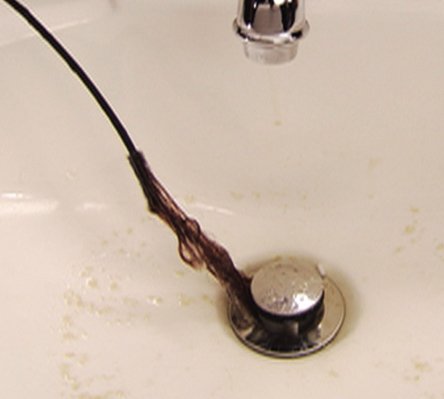
Drain snakes (or augers) are stiff cables with weighted tips that can snake down your household plumbing, busting up or even extracting any obstruction they encounter. The smaller handheld tools are suitable for clearing clogs in drains in kitchens, bathrooms, laundry, garage and workshop, or pool and patio drainage.
Because a backed up or slowly flowing drain is one of the most irritating potentially most damaging, in terms of property, household emergencies, and because a plumber's bill can easily run into the hundreds for off-hours visits, an inexpensive tool like a handheld drain auger usually makes up its own cost in its first use. Large or active households will find many uses for their drain spinner, particularly models small enough to allow use without requiring removal of stoppers or straining plates.
Different Snake Designs
Designs will vary in spooling out the cable; some are pistol-gripped devices while many larger core drain snakes are simply loosely coiled. Most handheld drain augers of the smallest size available with metal cables come with a spool that can be rotated along with the cable. This drum shaped housing can sometimes be attached to a cordless drill for power rotating. Smaller tools, seen on TV, are made of plastic and too short and flimsy for serious work. True drain snakes will have at least 1/4 inch metal cables of up to 25 feet in length. They are versatile enough to get down a bathtub overflow drain, but strong enough to handle any blockage they encounter.Drain Snakes and Closet Augers
Do not use these smaller drain snakes on a toilet. The narrow cable can easily become tangled in the wide toilet drain, and if a knot forms beyond reach, you are stuck with an incredible restoration to get it out. This is a rookie move, don't do it. Only use snakes designed for commodes, called closet augers, on toilets. The design of closet augers makes them safe for use on toilets.Safety Comes First
And safety always should be a primary concern. While your handheld drain auger is safe for use on other drains in the house, be aware the heavy cable head and rough metal cable can easily damage other fixtures. Use an old washcloth over the area to prevent scratching any porcelain or chrome in your workspace. Eye protection is advisable, because there can be some splashing of dirty water and filth.Clear That Clog
Drain snakes may be even easier to use than a plunger! Always follow your owner's manual instructions, but there isn't much to the basic principles. Extend the cable down the drain, rotating, backing up and moving forward around corners, until you get the impression you have cleared the clog. Standing water should flow away; often you will hear a gurgling noise as the blockage comes clear. Flush fresh water down the drain as you remove the cable back onto its spool, washing it clean then dry with a towel before storage.Where to Get a Handheld Drain Auger
If you have a few moments to make your drain snake purchase decision, then do some online research. For drain auger product reviews, visit uncloggingdrains101.com.Monday, May 28, 2012
Blocked Drains - Clearing the Problem
Blocked Drains
Clearing the Problem
By Al Villa
There are many different kinds of drains in a single household. From sinks and bathtubs to toilets and showers, you send water down a drain every day with your daily tasks. Unfortunately, these do not always remain in top working condition. When you experience blocked drains, there are a few things you can do about it. You can ignore it and allow it to worsen or you can take action and unclog the drain. Ignoring the problem will likely result in the need to hire an expensive plumber-once the problem has escalated enough that you can no longer ignore it. On the other hand, when you take care of the problem now, you can usually do it on your own with the right hardware and repair tools.
The most common cause of blocked drains in the kitchen is a buildup of food particles or grease. In the bathroom, the culprit is usually a mildew buildup inside the piping that then collects hair, blocking water from passing through the pipe quickly. If you see that your drain is backed up, there is no need to immediately call a plumber. The problem needs to be addressed quickly because of health concerns related to slow-draining or standing water in the home, but chances are you can fix the problem yourself if it is a fairly new development.
A plunger is a simple tool that often works to unclog blocked drains, especially toilets and kitchen sinks. A cable auger, or plumber's snake, is a flexible steel cable wound around a hand crank. One of about 25-30 feet in length is ideal for sinks, bathtubs and shower drains. High pressure water jets can sometimes act as the remedy for loosening buildup inside a pipe. Then, there are even drain unclogging solutions that eat away at pipe buildup without damaging the pipes themselves. Using a combination of these tools can be a great solution to your blocked drain problem. you can easily find them at your local hardware store or Loews or Home Depot.
Obviously, the best solution to blocked drains is to prevent them from occurring in the first place. Regular cleaning can do the trick. Also, placing waste traps or strainers on the mouth of the drain can prevent hair, food and garbage from getting into the drain. Once you have cleared the problematic drain of its block, it is wise to take these preventative steps to keep it from becoming a problem again in the future.
Blocked drains of any kind are annoying. I write articles that can help you with any drain problem. You may use this articles any way you want so long as you include this resource box in its entirety. You can see all of my articles here: Blocked Drains [http://THEBLOCKEDDRAINS.COM]
Article Source: http://EzineArticles.com/?expert=Al_Villa
Sunday, May 20, 2012
Unclogging Bathroom Drains
Learn about commodes, lavatories, showers, & bathtubs
How to deal with bathroom sink clogs, how to clean bathtub drains, and how to clear shower drains.
There's another great informational set of articles at uncloggingdrains101.com about all the various drains in the bathroom. Toilets and tubs, showers and sinks, all have their own comprehensive articles!From the introduction:
No other room in the home has as many different drains and plumbing connections than the bathroom. Each drain will clog in a different way, and will have to be cleared using the proper tools and techniques. Both plungers and drain augers have very different designs for use with toilets or sinks, just as one example.
Saturday, May 19, 2012
Laundry Sink and Floor Drain Clearing
Learn to Unclog Utility Drains
Take care of a stopped up utility sink drain or a backed-up basement drain
Utility drains are the drains in garages, laundry rooms, basements, and outdoor areas. Most of these areas will have drainage of some form, the most common being a basic drain in the floor leading to the waste-water line for the house.That's from the introduction to an entire content section at uncloggingdrains101.com, the internet's foremost authority site dedicated to clearing clogs from household drains and plumbing. You can read about using plungers, augers, and improvised tools for unclogging laundry sinks and floor drains.
Saturday, April 28, 2012
Unclogging Bathroom Sinks
Lavatory Basins
Learn to unclog bathroom sink drains
and how to remove the stopper assembly
I found some top-notch drain clearing information from UncloggingDrains101.com. This time we learn about bathroom drains, stoppers, and traps while picking up time-saving do-it-yourself tips.With bathroom sinks, if they are still draining slowly after cleaning the stopper linkage and screen in the drain, the next suspect area is the U-trap immediately below the sink, and the pipes leading away from it.
Friday, April 27, 2012
How to Unclog a Utility Sink
In-Depth on Clearing Clogged Laundry Sinks
Learn to unclog sinks in the garage and laundry room
These utility sinks are frequently abused, and can become clogged by dirt, lint, sawdust, or just about anything. Luckily, with the proper tools, this clogged sink problem is easily solved.Learn all about it at UncloggingDrains101.com.
Often the drain will be narrow with a screen to catch debris. If this area has been cleared, but the drain remains slow or stopped, then a clog has formed in the U-trap or even farther down the pipes. In these cases a plunger or handheld drain auger is the proper tool for the job, but some clogs can be cleared without the need for either.
Subscribe to:
Posts (Atom)