Search This Blog

Showing posts with label unclog. Show all posts

Wednesday, October 15, 2014

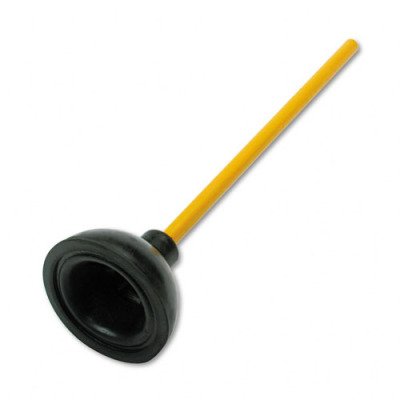
Plunger Reviews - Sinks and Toilets

Unclogging Drains 101 breaks it down, comparing available plungers for you.


Get the plunger most suited for your task!


Plunger Reviews at UncloggingDrains101.com

Friday, November 16, 2012

How to use a Closet Auger

How To Use a Closet Auger

Learn to clear clogs using a toilet snake

Closet Auger in Toilet Cutaway

The most stubborn clogged toilets will sometimes not be cleared even by lengthy softening and vigorous plunging. In these situations, the next step is to use a tool called a handheld closet auger. The term closet comes from the old euphemism for bathrooms, water closet, and refers to the fact that the auger is specifically designed for use on toilets and commodes. Augers are also the tool to use when attempting to clear any clog that is not soft or decomposable in nature, such as a toy or toiletry.

Saturday, August 18, 2012

The Strain of a Clogged Drain

Don't Let a Clogged Drain Put a Strain on the Holidays

 A clogged drain can be a major pain when getting ready for the holidays and entertaining guests. Have a plunger handy next to every toilet in the house in the event of unexpected clogs. Another little tool, called a snake, can be man's other best friend when the drain clogs and can be had for about $15 at a local hardware store. About 25-ft. of snake is all that is needed for most plumbing jobs.
 
Tubs and bathroom sinks typically clog because hair and soap builds up in the drains. In both cases, remove the stopper in the sink and tub, and use the snake to loosen grime and hair.

A clogged kitchen sink is typically caused by a jammed garbage disposal. Most disposals come with an Allen wrench, the funny looking metal pipe that looks a bit like the letter Z. Under the sink at the bottom of the disposal, there is a small opening for the Allen wrench. Place one end of the wrench inside the opening and turn the wrench clockwise and counter clockwise until the wrench spins freely. If the disposal is clear and the sink is still clogged, try removing the trap in the sink drain and use the snake to loosen any clog.

The snake can be used to unplug clogs in laundry tubs as well. In fact, a snake can take care of most clogs, so if it doesn't work, call a plumber. The same can be said for floor drains. You could rent a sewer machine, however, if the end of the snake catches on something in the pipes, it will stop turning and can be seriously dangerous to remove.

Expert Author Nancy Wilkes

Thursday, August 9, 2012

How to Use a Closet Auger

Learn to Clear Clogs Using a Toilet Snake

The geniuses over at uncloggingdrains101.com have done it again with an in depth article on how to use a closet auger, otherwise known as a toilet snake.

Closet augers are easy to use and inexpensive, possibly saving hundreds of dollars on the first avoided service call from a professional.


The article discusses differences in drain augers, safety concerns, and proper technique. Also included are instructional  diagrams and informative How-To videos.


The most stubborn clogged toilets will sometimes not be cleared even by lengthy softening and vigorous plunging. In these situations, the next step is to use a tool called a handheld closet auger. The tem closet comes from the old euphemism for bathrooms, water closet, and refers to the fact that the auger is specifically designed for use on toilets and commodes. Augers are also the tool to use when attempting to clear any clog that is not soft or decomposable in nature, such as a toy or toiletry.

Wednesday, August 8, 2012

Plunger Use Hints and Tips

Using Plungers for Success

Pick up hints & tips for proper plunging technique

Forming Airtight Seals

Plungers work in both directions. They move water back and forth inside the pipes, breaking up the blocking material into smaller bits until the clog can no longer hold itself together.
To do this, an airtight seal must be formed where the plunger meets the plumbing. Any leaks will mean at best an ineffective & noisy plunging and at worst a squirt of sewage back towards the user.
Maintaining this seal while the plunger is worked up and down, for as many as a dozen strokes or for as long as thirty seconds, is the most important consideration, and is why there are so many differently shaped plungers on the market. Hopefully you have the right plunger for your drain. If you don’t maybe you can still make it work.
  • Some bell and bellows-plungers are reversible, and suited for both sink and toilets
  • Surround drains in floors and wide basins with a twisted wet towel when using a ball-plunger
  • A small amount of petroleum jelly around the lip of the plunger or around the drain can help seal tiny but troublesome cracks
  • Hold stiff rubber or plastic plungers under running hot water to free them up for easier plunging

Blocking Overflow Drains

Airtight seals cannot be formed if there are other outlets for air or water in the pipes surrounding the clog. Bathroom sinks and bathtubs will have one or more overflow drains, for example. These are drains, often hidden inside a lip of the sink or behind a metal plate with the stopper lever on a tub, which catch any overflow from the sink or tub. They connect directly to the same drain as the bottom of the sink or tub, so if you try to force water through the drain, it can come back up and out the overflow. The most common method for blocking these overflows so you can use a plunger is to stuff a wet rag or washcloth into them, so they are tightly blocked. Use a large enough cloth that it will not be in danger of falling or being sucked into the drain. You may find you need to hold these cloths in place, perhaps with a third hand.

Tuesday, August 7, 2012

Know Your Household Drains

Home Drain Encyclopedia

Drains in the bathroom, kitchen, laundry, and garage each can get clogged in their own charming ways.

It often goes unconsidered until a problem arises just how many different drains there are in the home, and how dependent we are on them all functioning properly. Whether you’ve put up with a slow shower drain for long enough, or are here on more pressing matters, you’ll find help here to get things back in order.

Finding the Help You Need

It does not take long for a clogged toilet to become the top priority around the house. Other drains such as those in basement floors may only be needed once in a while, but when the time comes, they had better work. Maintenance, repair, and the cleaning and clearing of drains is an uncomplicated and unglamorous topic. The well prepared homeowner will have plungers and augers for toilets and sinks in the house, and so be prepared for just about any eventuality.

Sunday, July 8, 2012

Using Sink and Toilet Plungers

Learn to Successfully Use Plungers On Each Type of Household Drain

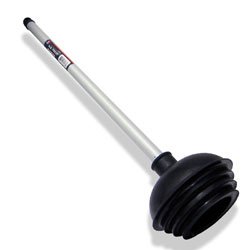
The red rubber suction cup plunger is still as popular as ever, because when used correctly, even this old design can work wonders. But for even better chances of success, match your plunger purchase to the drain it will be clearing. The old standby with its wide flat face can be difficult to work with on curved drains such as those in toilets and lavatory basins.
Fortunately, the enormous variety of plunger shapes available means there is one for every type of drain in the home.
Plungers will be split into two broad categories. There are plungers designed for use with toilets, and plungers intended for use with sink and floor drains.

Toilet plungers will not have the traditional wide open-faced plungers shape, but instead are shaped to fit the tubular curving shape of a toilet drain. Toilet plungers will have a flange of extra material extending from the bellows which can be inserted snugly into toilet drains.
Plungers intended for use on floor drains and basins with flat bottoms will not have this extra flange of plastic or rubber as part of the plunger shape. These plungers will have wider, open suction cup shapes, in order to enclose the drain opening.
The second major design consideration when purchasing a plunger is the material it is made of. Rubber and softer plastic belled plungers can be easier to use, because the more pliable material will flex in both directions as required when plunging.
Other plungers are made of stiffer plastics. These plungers are frequently one-piece designs. Because they are all one piece of plastic, these designs can be easier to clean than handled plungers. The drawback to stiff plastic plungers is they are much more difficult to use, both in plunging and keeping up an airtight seal.
The final significant difference among the plungers available today is the shape of the plunger compression container. The champagne glass shaped sink plunger is the most familiar, but also very common are what are called ball-plungers. Less common, but seen in more and more of the modern plunger designs, is the spring-plunger, with a bellows shaped chamber.
Ball-plungers will have a ball or spherical shaped compression chamber. Spheres are used because they enclose the greatest volume with the least amount of material, meaning efficient transfer of the plunging action into water movement and clog busting. Ball plungers are typically easy to work, and very effective.
Bellows plungers are the more modern design. Both sink and toilet plungers are available with large bellows chambers, in an assortment of shapes. Spring plungers can be very effective, bring more pressure to bear on the drain per square inch than a standard design. The large bellows chamber can be cumbersome, however, and not always easy to effectively use.
Plungers are tools for unclogging drains blocked with soft, decomposable or degradable material. Do not attempt to plunge a solid object or dense obstruction through your plumbing-you may end up making things worse and footing an expensive repair bill.
Plungers are recommended for clogs such as those that build up over time in slower or infrequently used drains, and for clogs that are created by over-zealous, but proper use of things like the toilet or shower. Clogs from hair, grease, oil, sewage, toilet tissue, and similar stuff can be handled with a plunger.
Do not use a plunger to force things like children's toys, dentures, cosmetics containers, toiletries, and so on through the plumbing. When an object or obstruction that won't break down-for example cloth or paper towels-is the cause of the stopped drain, then other tools and procedures will be used. Consider calling a plumber or professional drain service in this situation.
With so many plungers to choose from, how can you pick just one?
You shouldn't! The fact is that most homes will benefit from owning two plungers; one for use in the toilet and one for use in sinks. Because the design and function of these drains are so different, the types of plungers required for clearing them will be different as well.
Andam believes high-quality information will be very valuable in the near future, and creates, edits, updates, and annotates her articles with that in mind. Andam also writes about drain services and cleaning and clearing drains for http://UncloggingDrains101.com as well as writing for her personal blog and other information sites on the internet.
Article Source: http://EzineArticles.com/?expert=Andam_Persand

Monday, June 18, 2012

How to Unclog a Shower Drain

Helpful Hints to Clear That Clog

Clearing a shower drain of clogs shouldn't be a hassle! Follow these steps to get things flowing again.

 Leave Strainers In Place If Possible

When working with shower drains, take care not to drop any screws down the drain and have a receptacle prepared to keep all small parts safely out of the way. Instead of a simple strainer, your shower may have a trap directly beneath the drain, but the procedure for cleaning then plunging still applies.

Clear, Plunge, Clean

A little softening can be helpful in breaking up large or dense clogs. You can let the clog soak in a mixture of grease busting dish-soap and hot water. If your shower has standing water refusing to drain, squirt some soap directly down the hole, next pour hot water from a height into the drain. The hotter the water the better, but be smart and do not use water so hot that a splash would burn your skin, and do not pour hot water into a mixture containing liquid drain cleaner! Let the soap soften up the clog for a few hours if you can. If the clog has not drained away, you can move on to the next suggestions.

Shed Some Light on the Situation

You can peer into the drain with a flashlight, and can see the obstruction or have an idea of its location, then your first priority should be to remove all the debris from the drainpipe. A wire coat hanger, bent to take advantage of the squiggle into a hair-snagging hook could be all you need, along with some patience, to extract the mass forming the clog.
Even in the case of standing water, you can safely stick your bent hanger down the drain, and scrape the sides as you go, rapidly busting up anything in reach. Always opt to remove the gunk with gloved hands to toss in the trash, rather than trying to rinse it down the drain and possibly out of reach.

Using a Plunger

Any clog that survives the coat hanger treatment will surely be weakened and ready to fall to the plunger. Your goal with the plunger is again to break up the clog, removing as much of the debris as possible from the drain, and finishing with pipes flowing as smoothly as ever.
With that in mind, if your clog has been softened with a soaking in dish soap and weakened with pokes by your hanger, or even if the blockage is out of reach, you next step is to try the plunger.

Form a Tight Seal

Placing the plunger over the hole of the drain, form and maintain a tight seal as you vigorously work the plunger up and down for up to a dozen strokes before checking. Release the seal carefully to avoid backsplash. If you have trouble maintaining a tight seal you can apply a small amount of petroleum jelly around the lip of the plunger and drain (not too much!) to plug the gaps.

Snake It

If you own a handheld drain auger (also known as a Plumber's Snake), then it may be just the ticket. A drain auger is a long, stiff cable which can be threaded into plumbing to bore a clear path. A good auger can be worth its weight when it comes to cutting down on calls to the plumber for active or large households.

That Should Do It

I hope that did the trick and you were able to unclog your shower drain. If not, run the steps one more time, maybe you are weakening that clog! Liquid drain cleaner is a possible solution, but only if the clog is oily, soapy, and hairy. If you have a more serious clog, that a plunger and auger won't get, you may need to find a local professional.

Monday, May 28, 2012

Blocked Drains - Clearing the Problem

Blocked Drains

Clearing the Problem

There are many different kinds of drains in a single household. From sinks and bathtubs to toilets and showers, you send water down a drain every day with your daily tasks. Unfortunately, these do not always remain in top working condition. When you experience blocked drains, there are a few things you can do about it. You can ignore it and allow it to worsen or you can take action and unclog the drain. Ignoring the problem will likely result in the need to hire an expensive plumber-once the problem has escalated enough that you can no longer ignore it. On the other hand, when you take care of the problem now, you can usually do it on your own with the right hardware and repair tools.
The most common cause of blocked drains in the kitchen is a buildup of food particles or grease. In the bathroom, the culprit is usually a mildew buildup inside the piping that then collects hair, blocking water from passing through the pipe quickly. If you see that your drain is backed up, there is no need to immediately call a plumber. The problem needs to be addressed quickly because of health concerns related to slow-draining or standing water in the home, but chances are you can fix the problem yourself if it is a fairly new development.
A plunger is a simple tool that often works to unclog blocked drains, especially toilets and kitchen sinks. A cable auger, or plumber's snake, is a flexible steel cable wound around a hand crank. One of about 25-30 feet in length is ideal for sinks, bathtubs and shower drains. High pressure water jets can sometimes act as the remedy for loosening buildup inside a pipe. Then, there are even drain unclogging solutions that eat away at pipe buildup without damaging the pipes themselves. Using a combination of these tools can be a great solution to your blocked drain problem. you can easily find them at your local hardware store or Loews or Home Depot.
Obviously, the best solution to blocked drains is to prevent them from occurring in the first place. Regular cleaning can do the trick. Also, placing waste traps or strainers on the mouth of the drain can prevent hair, food and garbage from getting into the drain. Once you have cleared the problematic drain of its block, it is wise to take these preventative steps to keep it from becoming a problem again in the future.
Blocked drains of any kind are annoying. I write articles that can help you with any drain problem. You may use this articles any way you want so long as you include this resource box in its entirety. You can see all of my articles here: Blocked Drains [http://THEBLOCKEDDRAINS.COM]

Monday, May 21, 2012

Equipment for Cleaning and Clearing Clogged Drains


Plungers - Toilets Plunger and Sink Plunger
Plunger

Learn about the tools used by the pros and homeowners alike for solving clogged drains quickly.

Drain cleaning has stayed as up to date in terms of new tools on the market.

There are more tools for unclogging drains than just the plumber's helper plunger. Don't forget the workhorse drain snake, and the more modern tools such as pressure washer attachments and remote video inspection systems.
Once again we can count on uncloggingdrains101.com to clear things up for us! With in-depth articles they what services and tools are available for clearing clogged drains, and how to use them.

From their introduction:

Your modern drain servicing professional has a remarkably high-tech selection of tools at their disposal. Examples include remote operated video cameras for inspection of plumbing, and precision-machined high-pressure sprayers used in jet-washing of sewers.
But a homeowner can handle most household clogs on their own if they have just one or two inexpensive tools. A plunger and / or a handheld drain auger appropriate for the troublesome drain(s) makes up its cost in the first saved service call to a pro. But with such a wide variety of plungers and drain snakes available, consumers must be informed about their proper use to make the right purchase decisions.

Sunday, May 20, 2012

Unclogging Bathroom Drains

Learn about commodes, lavatories, showers, & bathtubs

How to deal with bathroom sink clogs, how to clean bathtub drains, and how to clear shower drains.

 There's another great informational set of articles at  uncloggingdrains101.com about all the various drains in the bathroom. Toilets and tubs, showers and sinks, all have their own comprehensive articles!
lavatory repair parts - old chrome.
Pink sink basin

From the introduction:

No other room in the home has as many different drains and plumbing connections than the bathroom. Each drain will clog in a different way, and will have to be cleared using the proper tools and techniques. Both plungers and drain augers have very different designs for use with toilets or sinks, just as one example.

Saturday, May 19, 2012

Laundry Sink and Floor Drain Clearing

Learn to Unclog Utility Drains

Take care of a stopped up utility sink drain or a backed-up basement drain


Utility drains are the drains in garages, laundry rooms, basements, and outdoor areas. Most of these areas will have drainage of some form, the most common being a basic drain in the floor leading to the waste-water line for the house.
 That's from the introduction to an entire content section at uncloggingdrains101.com, the internet's foremost authority site dedicated to clearing clogs from household drains and plumbing. You can read about using plungers, augers, and improvised tools for unclogging laundry sinks and floor drains.
drain work kitchen - multiple outlets into floor drain

Friday, May 18, 2012

Plungers 101

Hints for effective use of plungers

Learn how plungers work and how to use them

A website called clogged.info has published several of my articles, including Plungers 101, a short introductory level article on plunger basics.

From the text:

slow swishing back and forth is much, much more effective than a quick jab. Maintaining your tight seal between the plunger & plumbing, work the plunger both up and down, as far as the plunger and drain shapes allow. Expect to have to work the plunger up and down many times, for several seconds per attempt. You may need to check, add more water, and plunge multiple times to completely clear the clog.

Tuesday, May 15, 2012

Handheld Drain Snake Reviews

Drain Auger Discussions & Reviews

Learn more about closet augers & handheld drain snakes

Nobody beats uncloggingdrains101.com for top-quality, timely articles on drain cleaning and clearing. They just added a drain auger review section, with more product discussions coming soon!
Ridgid 15733 Kwik Spin Drain Cleaner at amazon
Drain snakes are inexpensive, modest investments that pay for themselves in their first use and saved call to a plumber. But you'll still want to be an informed consumer, so read the articles at uncloggingdrains101.com today!

Find the proper tool for your home by reading up on the details, specifications, & user comments from around the web.

Friday, May 11, 2012

How to Use a Closet Auger to Clear a Toilet

Learn to clear clogs using a toilet snake

From beginner's basics to the final flush

There is a comprehensive article on how to use a closet auger over at uncloggingdrains101.com. Also known as toilet snakes, these handy home tools can save you a call to the plumber.

http://ecx.images-amazon.com/images/I/21fRpWrDp6L.jpg
Closet augers get their name from the euphemism for bathroom, water closet.

From the article at uncloggingdrains101.com:

…a well designed closet auger will have made several considerations for preventing damage to the toilet. Closet augers typically have longer, telescoping, shafted handles than augers intended for use on sinks and showers. The long handle will curve, j-shaped, at the end where the cable extends for insertion into the drain of the toilet. The shape and length of a closet auger handle allows the plumber or homeowner to work from above without stooping.

Wednesday, May 9, 2012

How to Unclog a Bathtub Drain

Unclogging bathtub drains can be complicated

Involving restricted access to the plumbing and shielded overflows.

Fortunately, most shower clogs can frequently be cleared by the homeowner or do-it-yourself type.
More good news from uncloggingdrains101.com. Today I learned about how to attack a slow or completely blocked bathtub drain.
freestanding tub, hex tile floor, new pvc and old copper
Bathtub overflow and main drains seen from exterior


From uncloggingdrains101.com:

Plungers work by forming a seal so they can apply pressure and suction to push and pull on a clog until it breaks up enough for removal or flows down the pipe. If the plunger can't form a proper seal, it will not be able to do much to break up the blockage. This is why for a plunger to work on a bathtub drain you must first block up any secondary overflow drain. If you can't see the clog, nor reach the accumulated gunk with a bent wire, then it is time to try the plunger. It is not advised to use a plunger if you suspect something substantial or solid is causing the block--trying to plunge a shampoo cap or part from a child’s toy could just make the situation worse.
photo credit

Sunday, May 6, 2012

Unclogging Toilets Without a Plunger

Clogged toilets can happen to anyone, 

even to people who don’t own a plunger!

Luckily we have the writers at uncloggingdrains101.com to help us out! Learn the three quick steps to clearing a clogged toilet without a plunger.

close up of roll of toilet paper - corner

Learn to unclog a toilet in these three simple steps:
  1. Soften Up the Clog with Chemicals
  2. Give the Clog Time to Decompose
  3. Wash Away the Clog with Hot Water
photo


Thursday, May 3, 2012

How to Unclog a Floor Drain

Cleaning floor and basement drains

Clogged floor and basement drains pose special problems.

I found some top-quality how to do-it-yourself information over at UncloggingDrains101.com! This time they walk you through the ins and outs of clearing floor drains of clogs in basements and garages.

From their article:

Access to the pipes from below is restricted. Basement drains and any drain that may flow either directly into the ground or to storm drain runoff should always have backflow prevention devices installed. Backflow prevention devices work by plugging up the drain if water starts to flow the wrong way, thus preventing water backing up and flooding your basement.
 photo by frankieb

Wednesday, May 2, 2012

How to Unclog a Shower Drain

Unclogging Shower Drains

Know what to expect when facing a clogged shower


Found one of the better articles on unclogging showers over at the information site UncloggingDrains101.com.

From the article introduction:

Clogged shower drains must be approached differently than clogged sinks, bathtubs, or toilets. It is always important to have idea of what is causing the blockage, but you must be particularly careful when dealing with shower and floor drains that you do not make things worse than they already are.

photo by osseous

Sunday, April 29, 2012

Making Plungers Work For You

How to use a plunger

Hints and Tips that apply to all plunger shapes and sizes

Clearing a clogged drain using a plunger can be easy, when you know how

Plungers come in all kinds of shapes, sizes, and intended use scenarios. You won't always have the ideal plunger for the task, but you may still have success using a plunger to clear clogs with some help from UncloggingDrains101.com.
an airtight seal must be formed where the plunger meets the plumbing. Any leaks will mean at best an ineffective & noisy plunging and at worst a squirt of sewage back towards the user.